
Cat care advice, researched before it’s published
The Purr Post helps US cat owners understand their cats: what’s normal, what’s not, and when to call the vet. Every article is built from veterinary guidelines and published research, then checked by a second member of our team.
- 59 researched guides
- 2 topics
- Every article reviewed before publishing
Start here
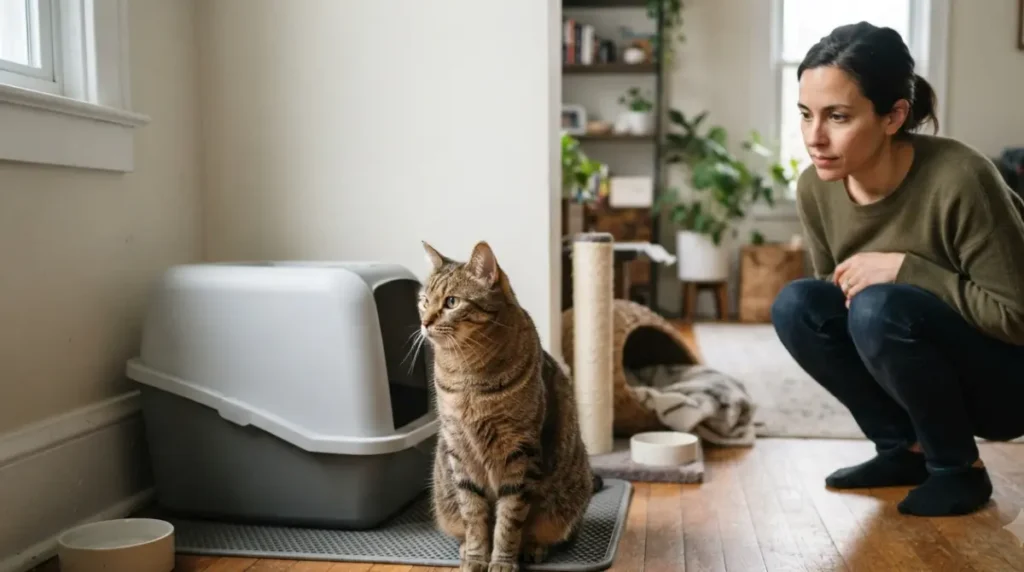
Normal cat behavior and the warning signs your vet should see
Which cat behavior changes are normal and which need a vet, from kitten play to a mature cat off food for 24 hours, plus five things to count at home.
Read the complete guideBrowse by topic
Each topic is a connected set of articles, so you can read around a subject instead of hunting for the missing piece.
Latest articles
Newly published and recently updated guides from our editorial team.
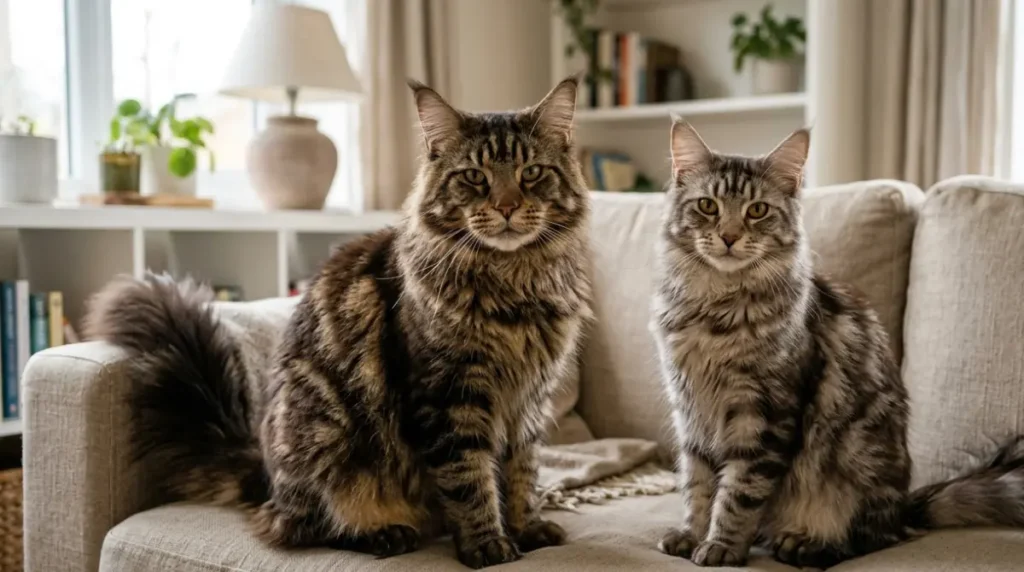
A Smart Guide to Male vs Female Maine Coon Differences
Male vs female Maine Coons differ most in size: the State of Maine puts males at 13–18 lb, females near 9–12. Here's which other claims hold up.
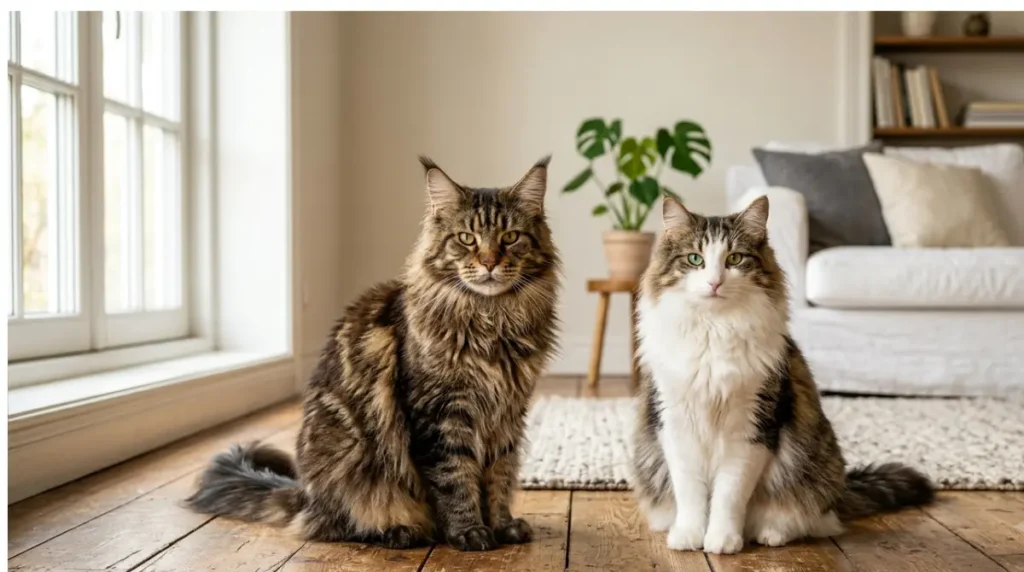
The Smart Way to Compare a Maine Coon vs Norwegian Forest Cat
Maine Coon or Norwegian Forest Cat? Check the nose line: one standard demands a gentle curve, the other a straight line with no break.
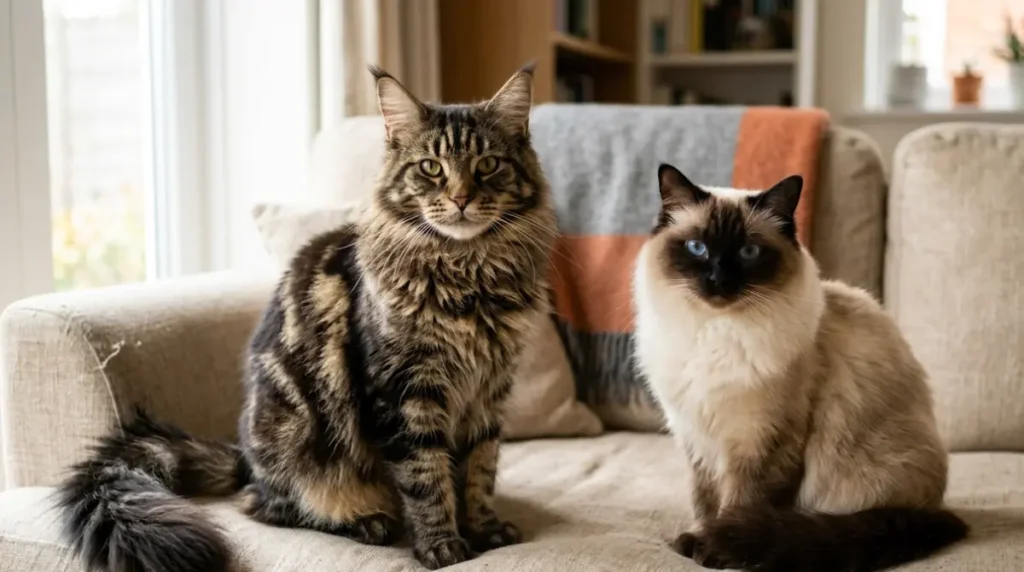
Maine Coon vs Ragdoll Compared for Size, Coat and Calm
Maine Coon vs Ragdoll size is closer than it looks: UK vet records put Ragdoll males near 11 lb. Here's where the two breeds really differ.
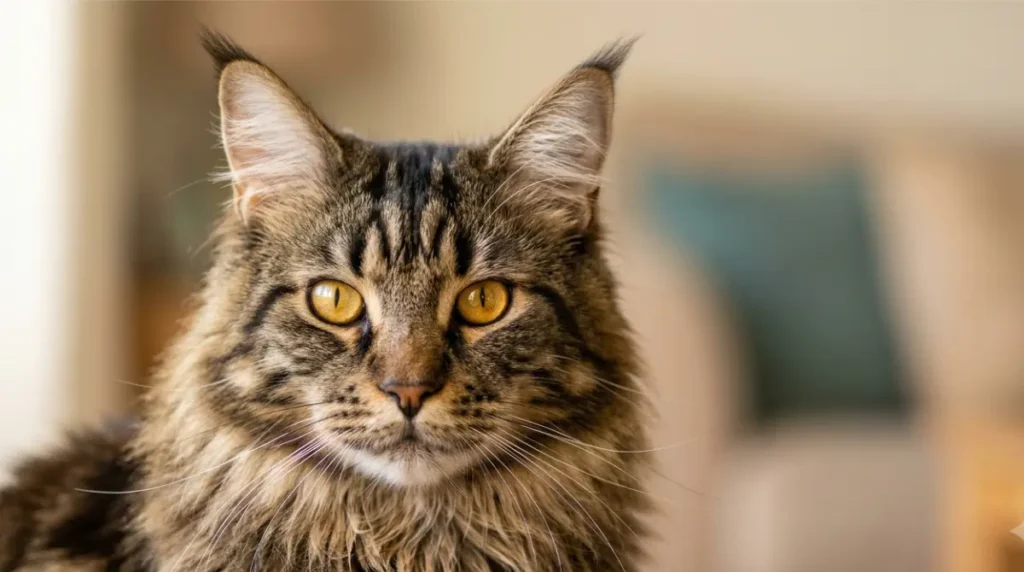
The Real Story Behind Maine Coon Hypoallergenic Claims
Maine Coon hypoallergenic hopes rest on the wrong thing. Allergen levels varied over 80-fold between cats in one study, so the cat matters more than breed.
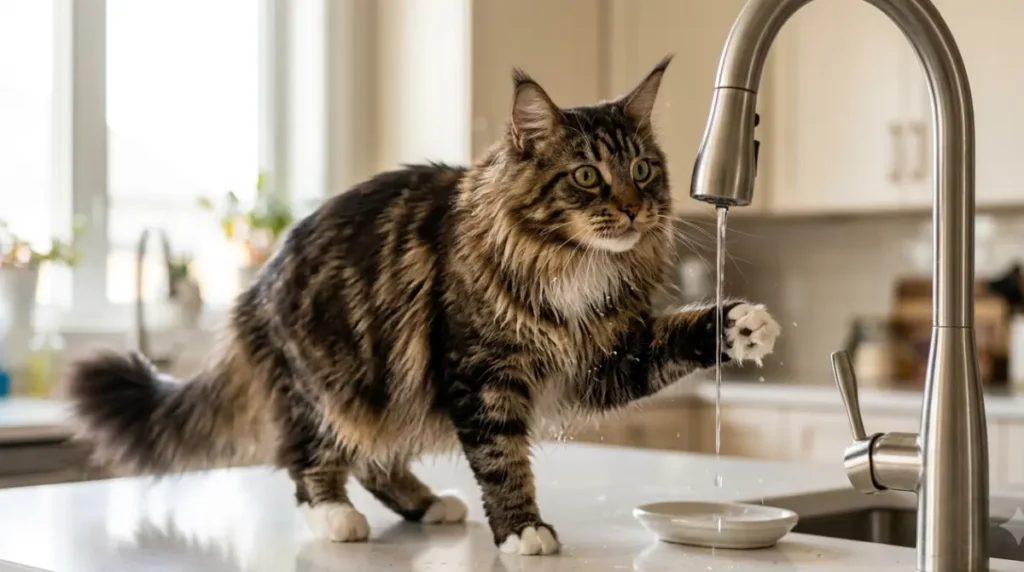
A Calm Guide to Maine Coon Water Play, Bowls and Baths
Maine Coon water habits range from paw-dipping to joining the shower. One habit on our decoder isn't play at all, and it needs a vet call.
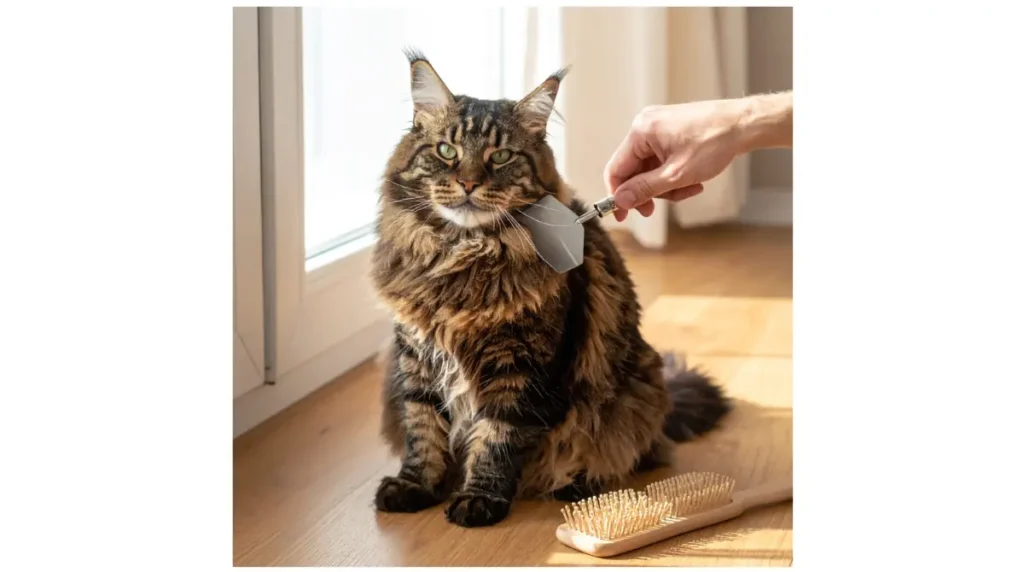
Choosing the Best Brush for a Maine Coon and the Right Comb
The best Maine Coon brush is really two tools: a steel comb that reaches the undercoat and a slicker for the shorter shoulder coat. Here's where…
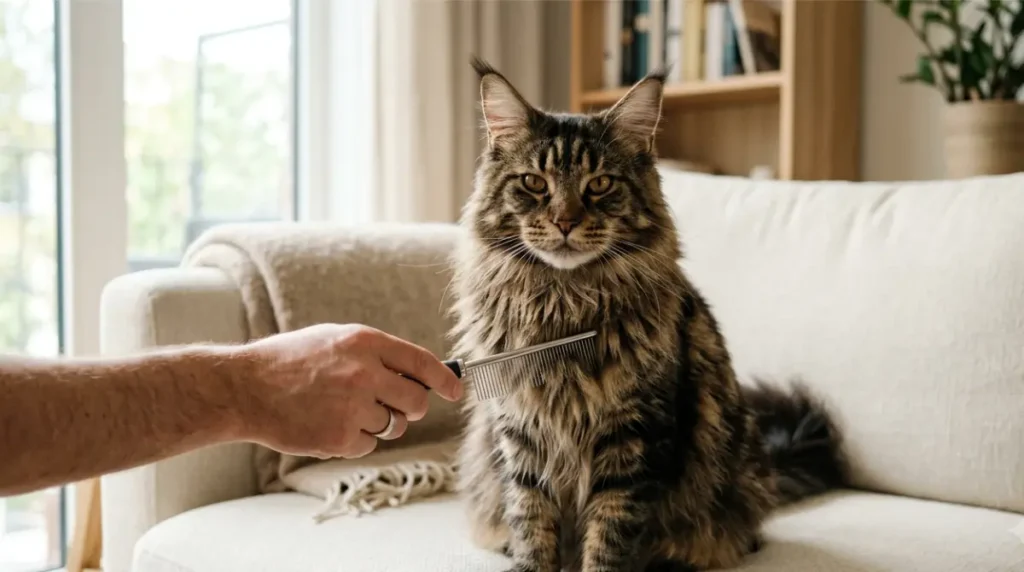
An Easy Maine Coon Grooming Routine From Kitten to Senior
Maine Coon grooming takes five to ten minutes a session, yet mats keep forming in the same five places. Here's where to check and when to…
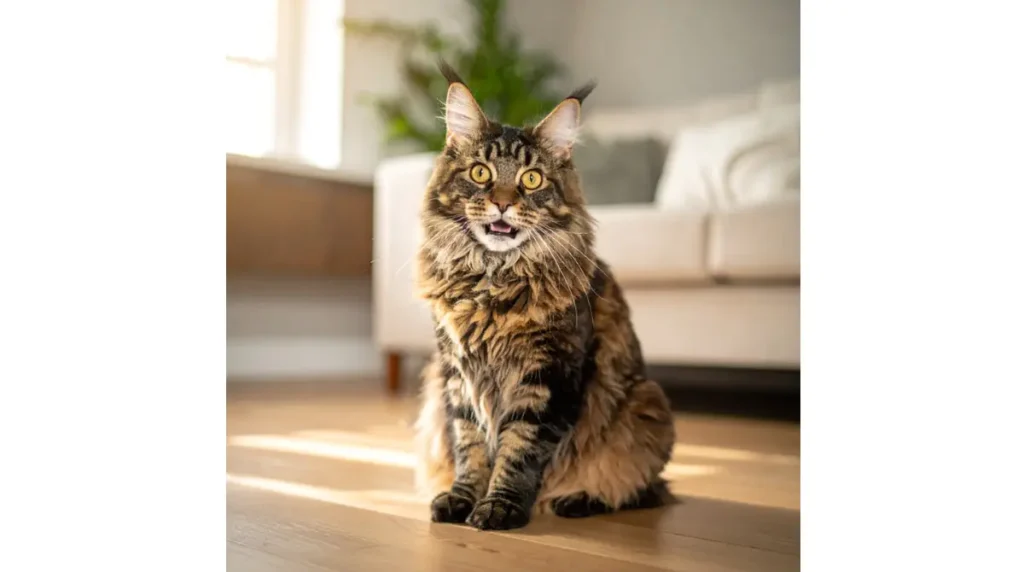
A Calm Guide to Your Maine Coon’s Meow, Chirp and Trill
A Maine Coon meow is aimed at you: adult cats don't meow at each other. Here is where chirps and trills fit into the rest of…
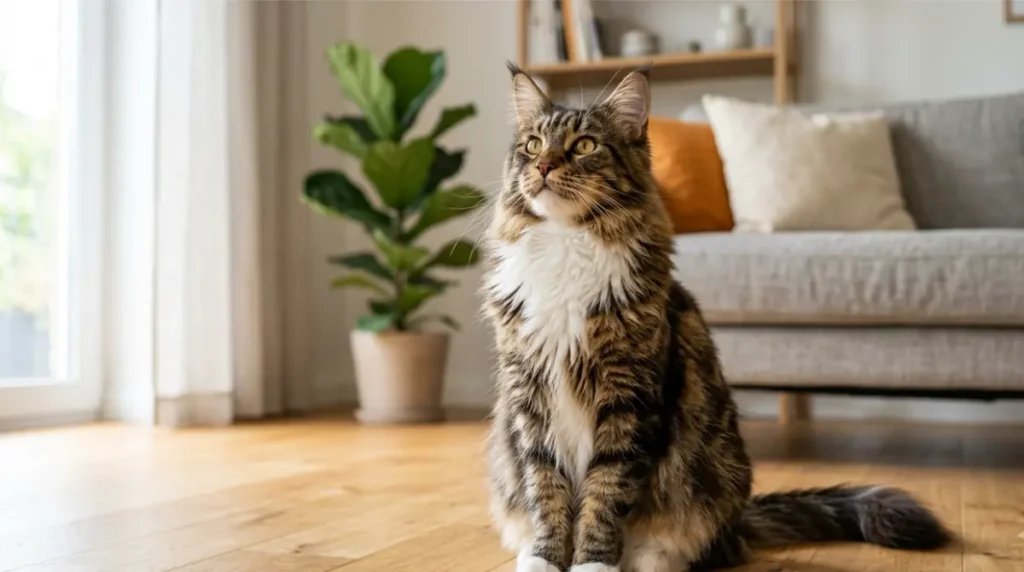
A Gentle Fact Check of the Maine Coon Personality
Maine Coon personality, graded: the CFA backs the water-loving and chirpy side, but fetch and lap-sitting are murkier. See what holds up.
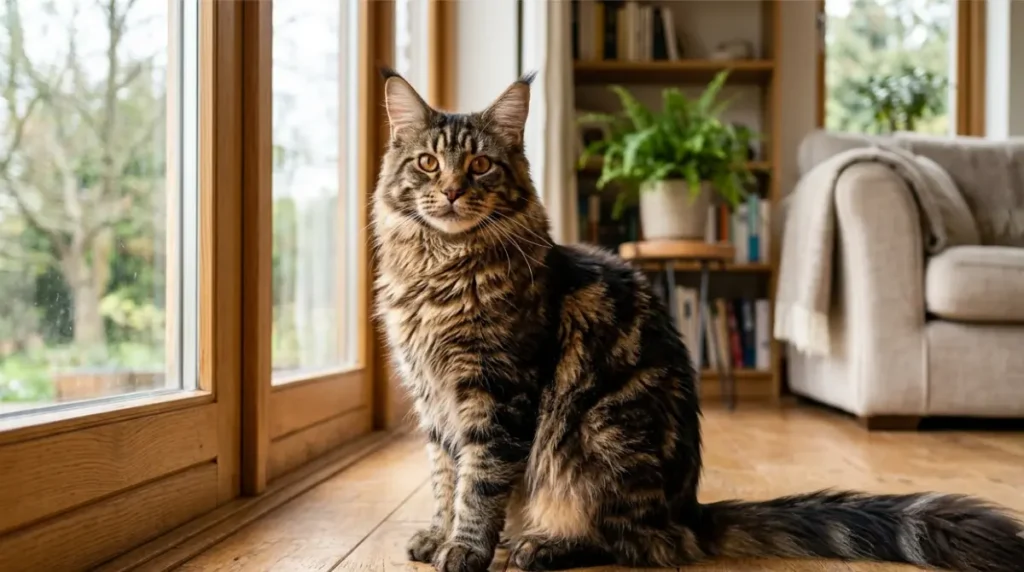
Maine Coon Colors Made Easy, From Brown Tabby to Smoke
Maine Coon colors are worth just 15 CFA show points, yet a solid-looking coat can hide a white undercoat. Here is how to check yours.
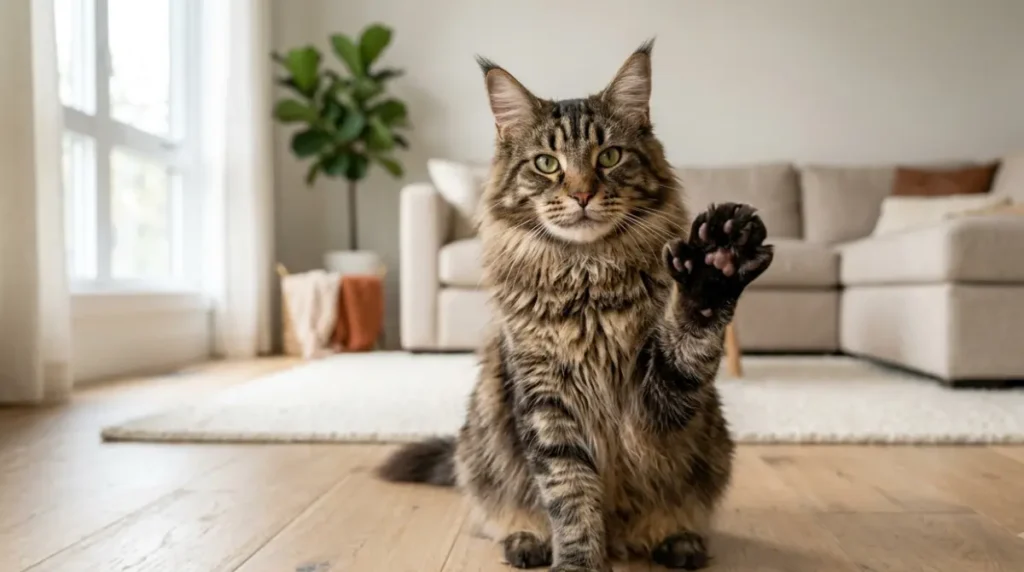
A Simple Guide to Polydactyl Maine Coon Paw Care
A polydactyl Maine Coon has more than the standard five front and four back toes. See what the extras change for paw care and vet visits.

The Right Way to Weigh Maine Coon Insurance and Heart Risk
Maine Coon insurance depends on policy wording as much as price. The AVMA backs plans that explain their exclusions and limits clearly.
Hidden Maine Coon hip dysplasia signs and what your vet checks
Maine Coon hip dysplasia is easy to miss. Spot the changes, tell what can't wait, and learn what your vet will check.
Why Is My Maine Coon Kitten Wobbly? Check Urgent Signs First
A Maine Coon kitten wobbly on its back legs is scary. Learn why when it started matters, and what to bring to your vet visit.
Your Maine Coon SMA Test Result, Explained Simply
A Maine Coon SMA test reads clear, carrier or affected. Signs show at about 3–4 months, and a wobbly kitten needs a vet exam whatever the…
Maine Coon heart disease can hide, so know which signs can’t wait
Maine Coon heart disease can hide in a calm-looking cat. Use the quick triage card to sort emergency signs from quiet ones worth a call.
Why you can trust what you read here
Plenty of cat websites copy each other. Here is what we do differently, and where you can check it.
Built from veterinary sources
Consensus guidelines, university feline health centers and peer-reviewed studies come first. Other blogs are never treated as sources.
Our sourcing standardsChecked before it goes live
A second member of our team reviews every draft, tracing health claims back to their source and flagging anything that could delay veterinary care.
How an article is madeRecommendations that can’t be bought
No brand can pay for a review, a mention or a better ranking. Every article with affiliate links says so before the first link.
How we make moneyWhere our information comes from
We link to these organizations throughout the site so you can check our work rather than take our word for it.
Spotted a mistake? Have a question?
We read every message, and corrections are always handled first. Learn more about The Purr Post or visit our contact page.