When Cat Hiding Means a Vet Visit and When It’s Just Stress

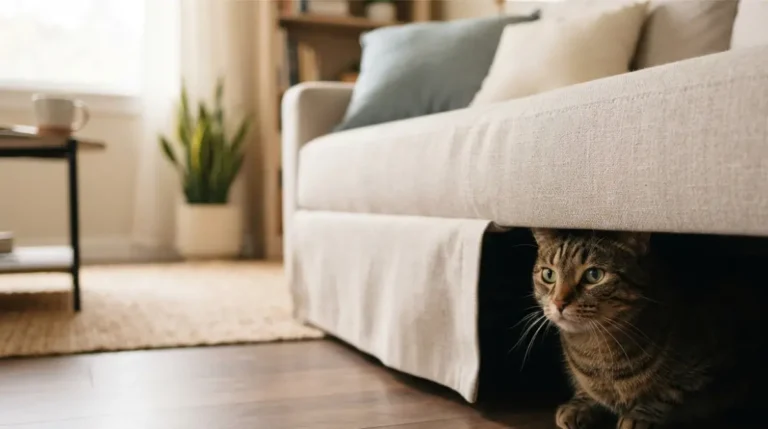
Cat hiding isn’t always a problem. What matters is change: a new hiding spot, skipped meals, or fewer litter box trips. Here’s how to tell.

 BySameer Patel
Last Updated:
Cat hiding isn’t always a problem. What matters is change: a new hiding spot, skipped meals, or fewer litter box trips. Here’s how to tell.
 ByShivani Dubey
Last Updated:
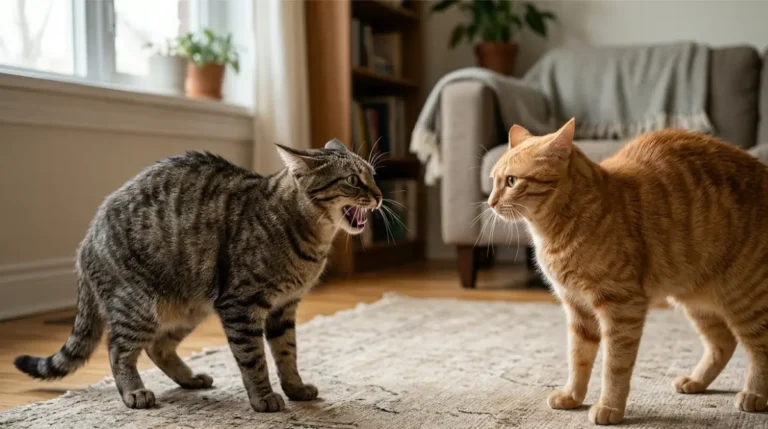
When cats suddenly start fighting, one event is usually behind it, like a stray at the window or a vet visit. Reintroducing them can take weeks to months.
 BySameer Patel
Last Updated:
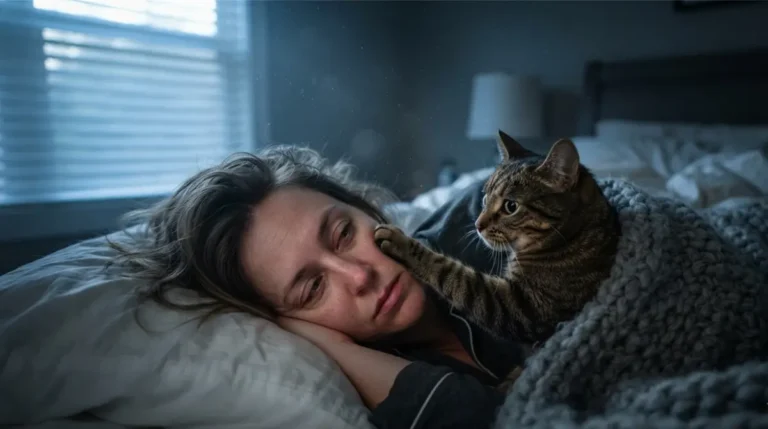
Cat waking you up early? When a trick stops working, cats often try harder first. Here’s how to ride out that phase and move breakfast later.
 ByShivani Dubey
Last Updated:
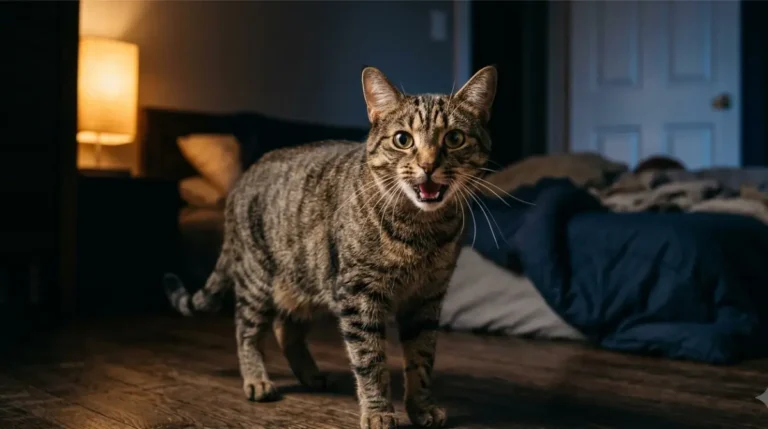
Night meowing plus straining in the litter box with little or no urine is an emergency. For other cats, the sound and the setting point to the cause.
 BySameer Patel
Last Updated:
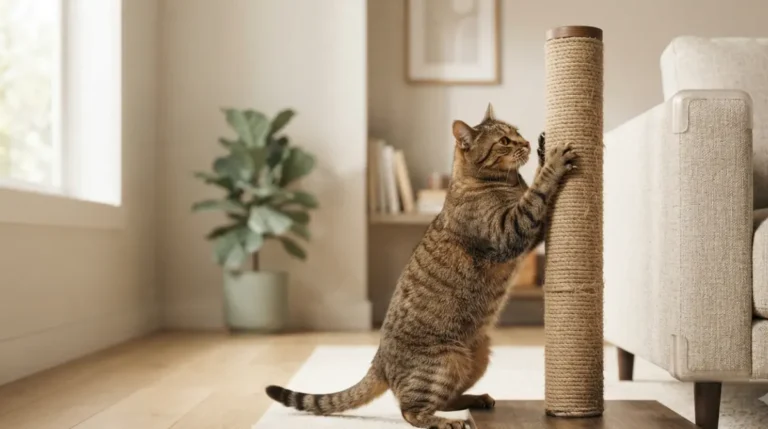
Cat scratching furniture isn’t spite. It leaves scent and sheds worn claw sheaths, so here’s how to move the habit off your sofa.
 ByShivani Dubey
Last Updated:
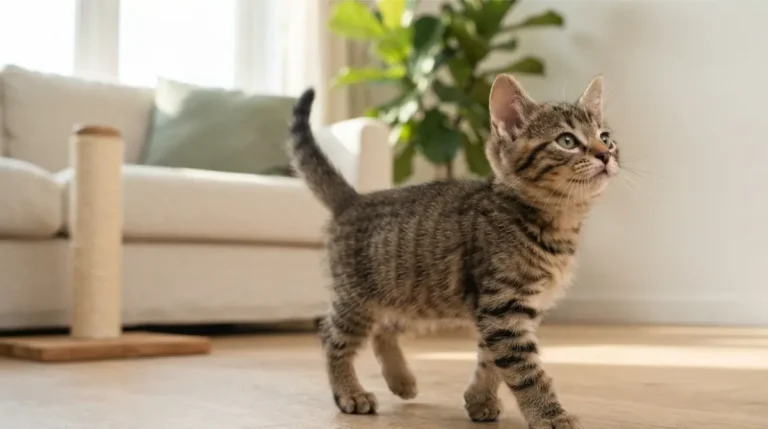
Kitten behavior from 8 to 16 weeks, from ankle ambushes to fading social play, plus the panleukopenia signs that mean a vet visit now.
 BySameer Patel
Last Updated:
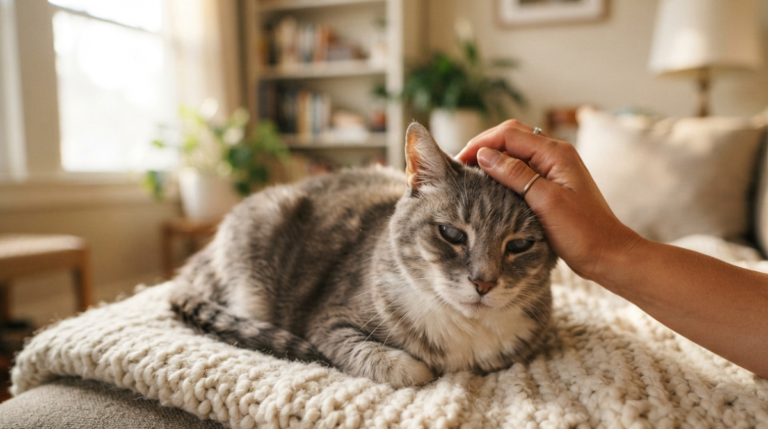
Senior cat behavior changes can be simple aging or an early sign of illness. Vets class cats as seniors after 10; here’s how to tell which is which.
 ByShivani Dubey
Last Updated:
Urgent care waits usually run under two hours; emergency waits often top four. Which clinic a sudden change in your cat needs, and when your own vet fits.
 BySameer Patel
Last Updated:
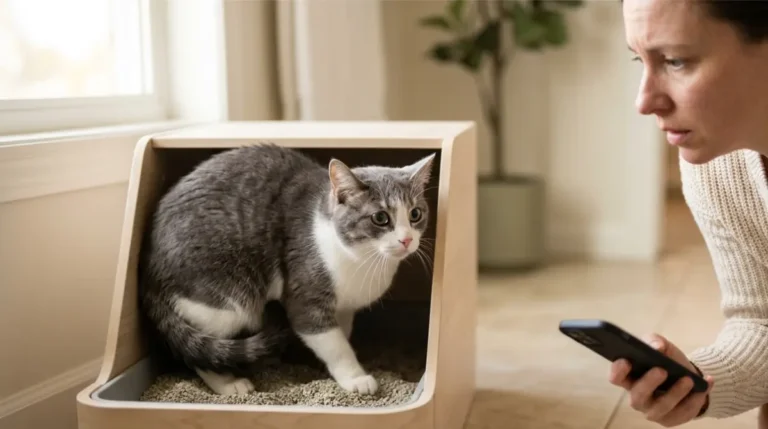
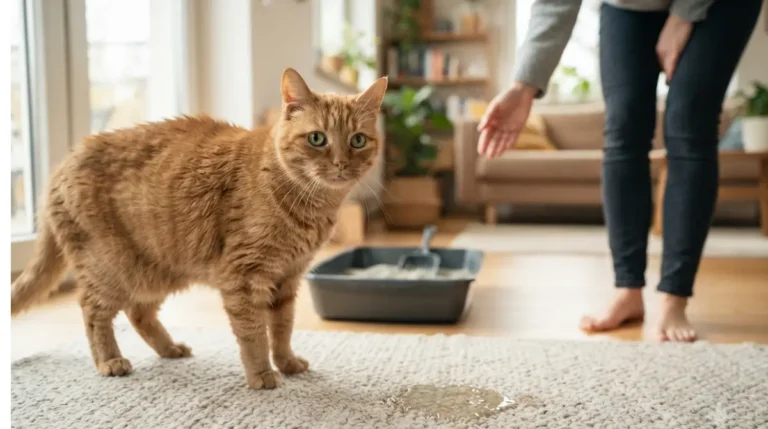
Cat peeing outside the box? Feline vets recommend two litter boxes even for a one-cat home. That’s one of four checks worth doing in order.
 BySameer Patel
Last Updated:
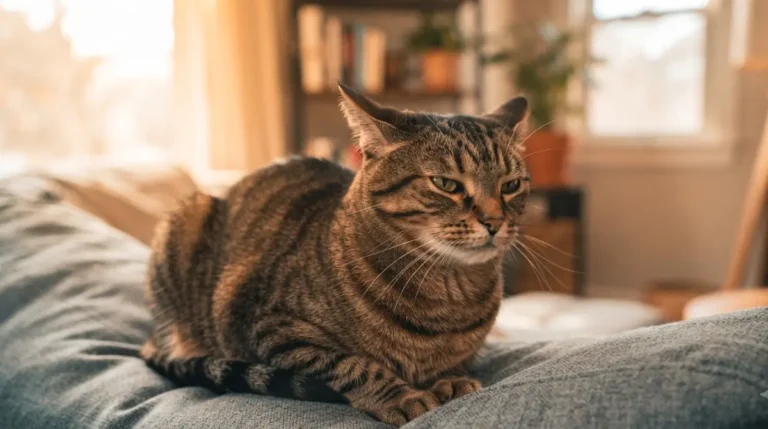
Cat in pain? In a large survey, owners’ grimace scale scores closely matched vets’. Here’s how to read your cat’s face at home.