Senior Cat Behavior Changes and When They Point to Illness

Senior cat behavior changes can be simple aging or an early sign of illness. Vets class cats as seniors after 10; here’s how to tell which is which.
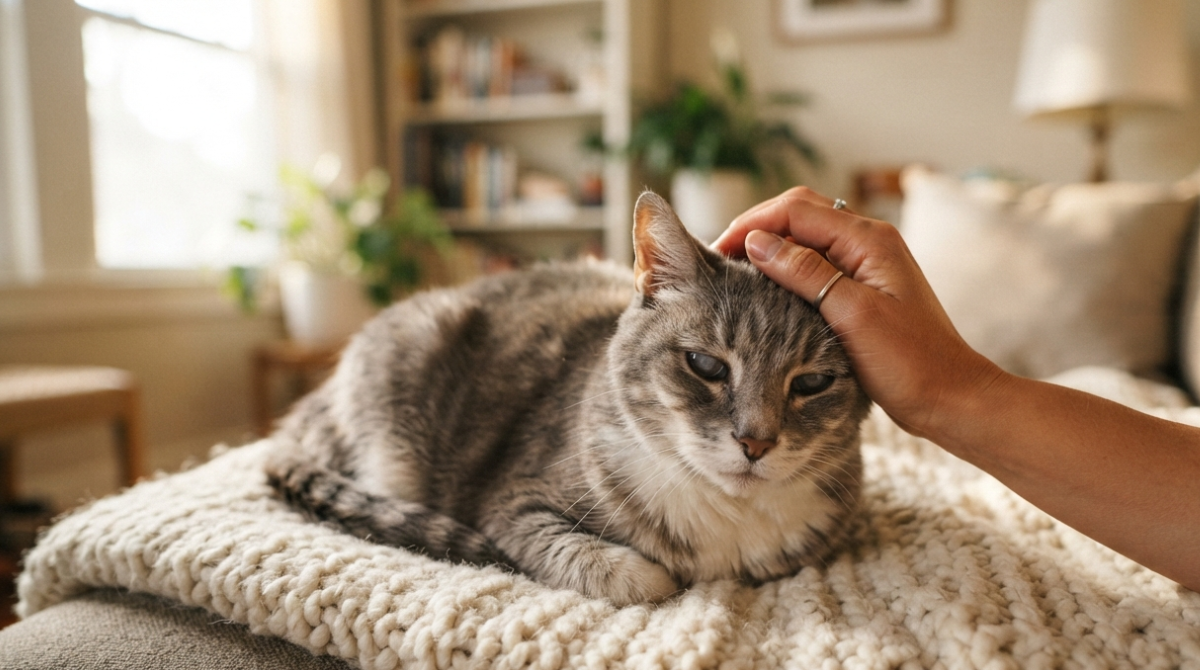
Table of Contents
Is it old age, or is your senior cat sick?
Some changes in an older cat are simply aging, but many that look like “slowing down” are signs of treatable illness. The Cornell Feline Health Center advises owners not to write off gradual behavior changes as old age, because they can point to common diseases or dental problems.
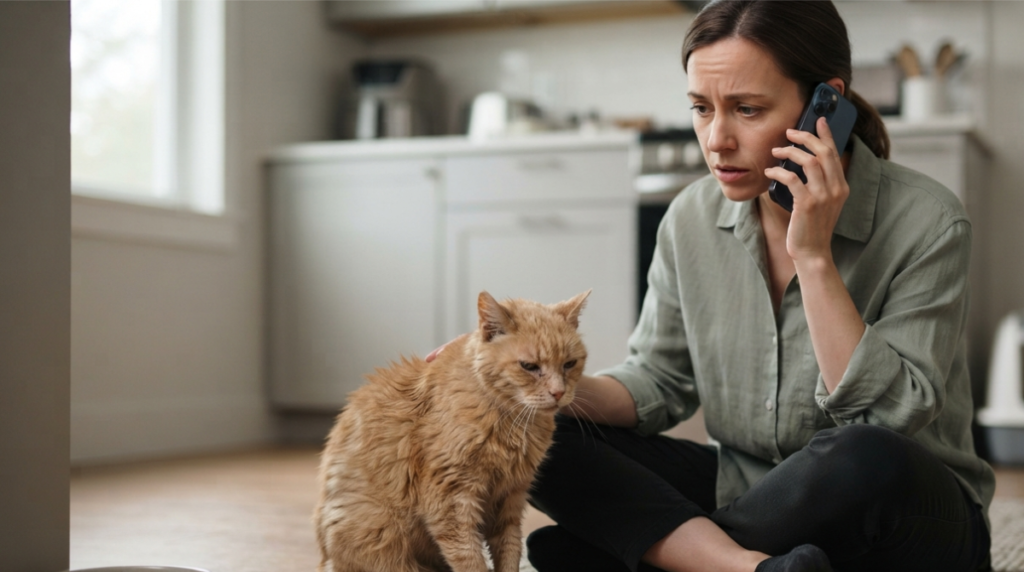
🚨 Go to a Vet Now If: your cat is straining in the litter box with little or no urine, suddenly seems unable to see, is breathing fast or with an open mouth, or suddenly can’t use the back legs. Details are in the next section.
Start where your situation fits:
- Something sudden or severe? Read the emergency signs below first.
- Slow, mild changes in a cat over 10? Use the triage chart to decide how soon to book a visit.
- Cat younger than 10? Our guide to what’s normal cat behavior and what needs a vet covers every age.
ℹ️ Vet Note: In older cats, a change in behavior is often the first visible sign of illness. This guide explains possible causes and how urgent they are; it can’t diagnose your cat. If any sign in the next section applies, contact a veterinarian or emergency clinic now.
Senior cat changes that need a vet today
These signs can’t wait for a routine appointment, whatever your cat’s age.
Go now: emergency signs
- Straining to pee with little or nothing coming out. A blocked urethra is life-threatening, and male cats are at higher risk. The AVMA’s guide to feline lower urinary tract disease notes that straining that looks like constipation is more often a blockage.
- Suddenly bumping into things or missing jumps. Cornell links truly sudden blindness in elderly cats to chronic high blood pressure. Its overview of high blood pressure in cats warns that some vision loss can’t be reversed.
- Fast, labored, or open-mouth breathing. Cornell lists these as signs of heart failure and a medical emergency.
- Sudden back-leg weakness or paralysis, often with crying in pain. Cornell ties this to blood clots from heart disease.
- A seizure or collapse.
Call your vet today: urgent signs
- Your cat has stopped eating. University of Illinois veterinarians warn that a few days without food risks hepatic lipidosis (fatty liver disease), which can be fatal. Don’t wait it out.
✅ Do This: Note when the sign started, whether any urine is coming out, and whether your cat is eating or drinking. Call the emergency clinic on your way so they’re ready.
What normal aging looks like in cats over 10
Veterinary guidelines give “senior” a specific meaning.
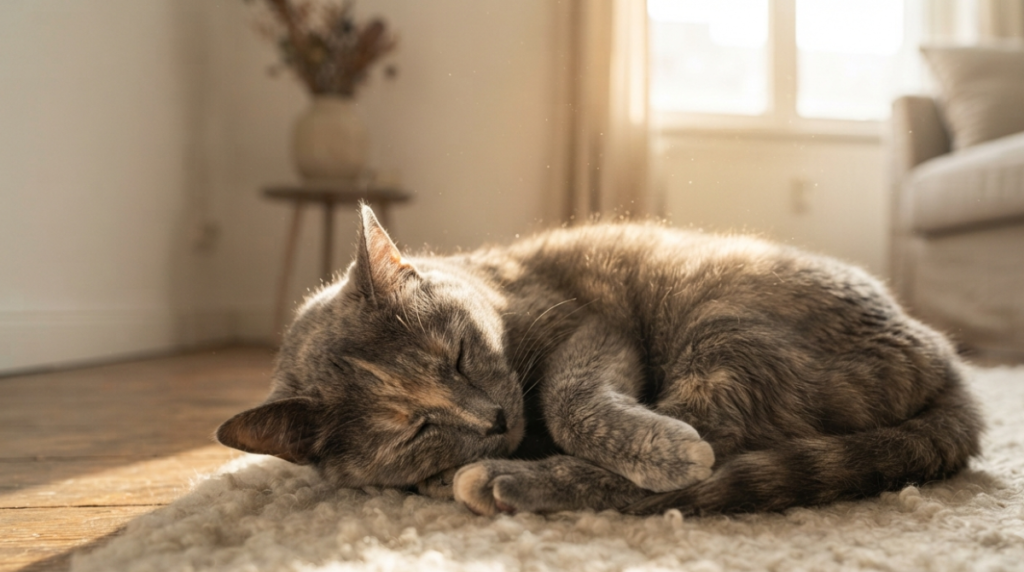
When is a cat a senior?
The AAHA and AAFP feline life stage guidelines define a senior cat as one over 10 years old. Cats aged 7 to 10 are classed as mature adults.
Changes that are usually just age
Cornell notes that older cats tend to be less active and playful, may sleep more, may gain or lose weight, and can have trouble reaching favorite spots.
The test: gradual, mild, and still doing the basics
Our rule of thumb: a change is more likely to be simple aging when it comes on slowly, stays mild, and your cat still eats, grooms, and uses the litter box normally. Even then, mention it at the next checkup. Stiff, sleepy “old age” can hide arthritis.
🐾 Life-Stage Note: Age alone doesn’t define a senior. AAHA notes that some cats over 10 stay in excellent physical condition and may be cared for like mature adults, at the veterinarian’s discretion.
Behavior changes that usually point to a medical cause
Some senior changes line up closely with conditions vets see often in older cats.
| Change you notice | Possible causes your vet will check | How soon |
|---|---|---|
| Straining, little or no urine | Urethral blockage | Go now |
| Suddenly bumping into things | High blood pressure affecting the eyes | Go now |
| Fast or open-mouth breathing | Heart failure, among other causes | Go now |
| Sudden back-leg weakness or pain | Blood clot from heart disease | Go now |
| Stopped eating | Many illnesses; fatty liver risk | Call today |
| Peeing or pooping outside the box | Arthritis, kidney disease, diabetes, overactive thyroid, cognitive dysfunction | Book within days |
| Drinking or peeing more | Kidney disease, diabetes, overactive thyroid | Book within days |
| Yowling at night | Hearing or vision loss, cognitive dysfunction, pain, overactive thyroid, high blood pressure | Book within days |
| Stiff after naps, not jumping, overgrown claws | Arthritis | Book within days |
| Slightly more sleep, less play, very gradual | Often aging, but can hide arthritis | Mention at next visit |
Sources: 2021 AAHA/AAFP Feline Life Stage Guidelines, Cornell Feline Health Center, AVMA, International Cat Care, University of Illinois. Urgency tiers are general guidance, not a diagnosis.
Peeing or pooping outside the box
The 2021 AAHA/AAFP guidelines note that kidney disease, diabetes, and an overactive thyroid (hyperthyroidism) make cats drink and pee more, which can lead to accidents. Arthritis can make climbing into a high-sided box painful. For non-senior causes, see why cats pee outside the litter box.
Yowling at night
The same guidelines list declining hearing or vision, cognitive dysfunction, pain, hyperthyroidism, and high blood pressure as possible reasons.
Drinking or peeing more than usual
Increased thirst and urination can signal kidney disease, diabetes, or hyperthyroidism, so it’s worth a visit even if your cat seems fine.
Grumpy, hiding, or not jumping anymore
International Cat Care’s arthritis guide explains that arthritis is very common and worse in older cats. Cats often hide it by simply doing less rather than limping. Learn the subtler clues in our guide to signs your cat is in pain.
🐾 Life-Stage Note: The oldest cats often have more than one condition at once. The AAFP senior guidelines note that combinations such as kidney disease plus arthritis can compound litter box problems.
Could it be cat dementia (cognitive dysfunction)?
Feline cognitive dysfunction is an age-related decline in brain function, similar to dementia in people.
Signs vets look for
Veterinarians at the Animal Medical Center group the signs under the acronym VISHDAAL: vocalization, interaction changes, sleep-wake changes, house soiling, disorientation, activity changes, anxiety, and learning or memory loss.
Why other causes are ruled out first
There’s no specific test for cognitive dysfunction, so vets first rule out arthritis, urinary problems, and untreated high blood pressure, which can mimic it. The ASPCA’s guide to behavior problems in older cats notes that a veterinary behaviorist can also help.
✅ Do This: Ask your vet, “What should we rule out before calling this dementia?”
How to track changes and make home easier
A simple record gives your vet facts instead of guesses.
Keep a 2-week change log
Jot down the date and what you see: litter box output, water intake, appetite, where your cat sleeps, missed jumps, and night vocalizing. Short phone videos of odd behavior help too.
Easy home adjustments for older cats
International Cat Care recommends keeping food, water, and litter boxes on one floor so your cat doesn’t need stairs. It also suggests helping with grooming, trimming claws, and adding mats on slippery floors. A low-entry litter box and pet steps to favorite perches can make daily life easier for a stiff cat.
What your vet will check at a senior visit
AAHA recommends that senior cats see a vet at least every 6 months, and more often with chronic conditions. A 2026 study found that every one of 129 senior cats their owners considered healthy had abnormal exam findings, most often dental.
Tests vets commonly run
These usually include a physical and dental exam, bloodwork and urinalysis, a blood pressure check, and a thyroid test.
What to bring and ask
Bring your change log, videos, and a list of foods and medications. Ask which changes worry your vet most.
Senior cat behavior changes: common questions
1. At what age is a cat considered a senior?
AAHA and AAFP guidelines define senior cats as those over 10 years old. Cats aged 7 to 10 are mature adults.
2. Is it normal for an old cat to sleep more?
Some extra sleep is common in senior cats, but mention it at your next checkup, since it can hide arthritis or illness.
3. Why is my senior cat peeing outside the litter box?
Kidney disease, diabetes, hyperthyroidism, and arthritis are common causes in older cats. Book a vet visit, and go now if your cat strains without producing urine.
4. Why is my old cat suddenly grumpy?
Pain, especially arthritis, and cognitive dysfunction can both change a senior cat’s mood. A vet exam can find the cause.
5. How can I tell if my senior cat is in pain?
Watch for stiffness after naps, not jumping, grooming less, overgrown claws, and litter box trouble. Arthritic cats usually do less rather than limp.
6. Do cats get dementia?
Yes. Feline cognitive dysfunction resembles dementia, but vets must rule out other illnesses first, because there’s no specific test for it.
7. How often should a senior cat see the vet?
AAHA recommends at least every 6 months for senior cats, and more often for cats with chronic conditions.
8. When should I take my senior cat to an emergency vet?
Go now for straining without urine, sudden blindness, labored or open-mouth breathing, or sudden back-leg paralysis. Call your vet today if your cat stops eating.
Trust your instinct about your senior cat
You know your cat better than anyone, and noticing a change is the first step in helping them. Sudden or specific changes need a vet soon. Gradual, mild ones are worth logging and raising at your cat’s next senior visit, and many of the conditions behind them can be managed.