The Best Scratching Post Is the Right One for Your Cat

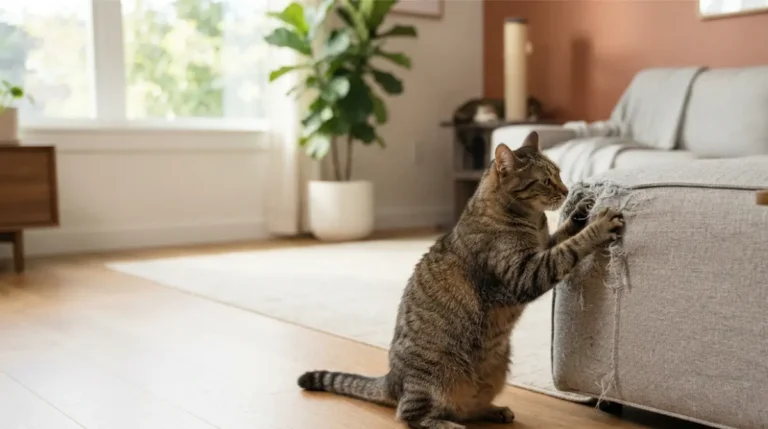
Best scratching posts differ for kittens and seniors, who may prefer softer cardboard scratchers. See what changes for big cats and multi-cat homes.

 BySameer Patel
Last Updated:
Best scratching posts differ for kittens and seniors, who may prefer softer cardboard scratchers. See what changes for big cats and multi-cat homes.
 BySameer Patel
Last Updated:
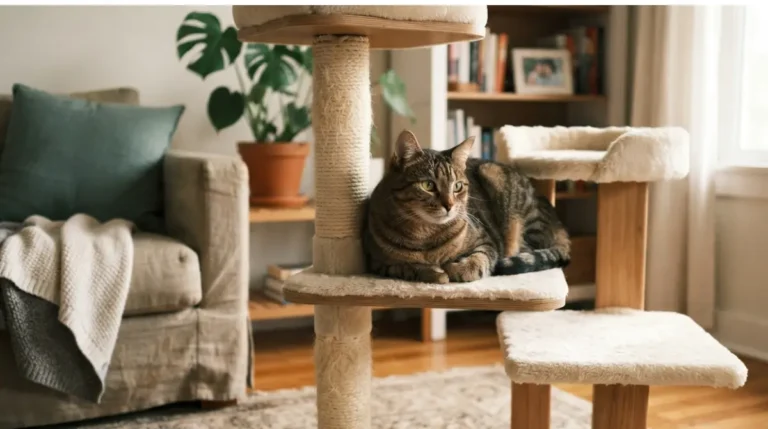
The best cat tree for a nervous cat offers a private hideout and a choice of low or high. Here’s how to introduce it without forcing your cat.
 BySameer Patel
Last Updated:
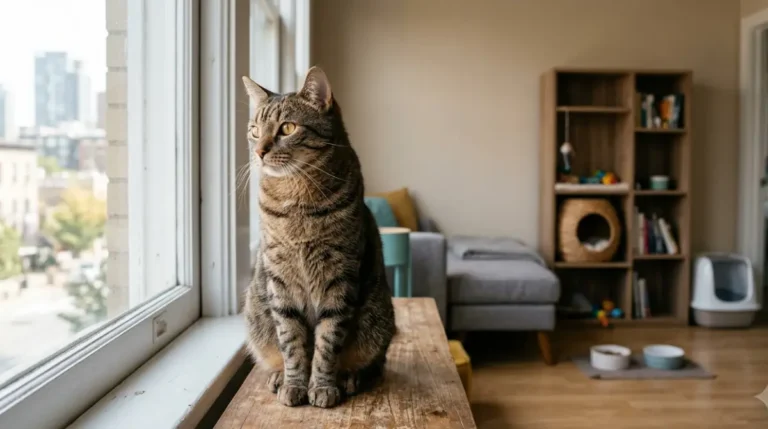
Indoor cat boredom starts with a hunting drive that stays strong even in well-fed cats. Spot the 7 signs and give that instinct a daily outlet.
 ByShivani Dubey
Last Updated:
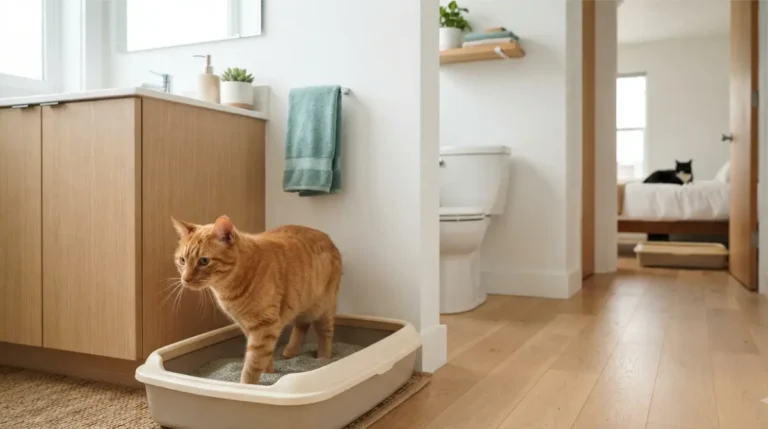
Cornell’s one-more-box rule and feline vet guidelines agree that one apartment cat needs two litter boxes. Screens come before any balcony time.
 BySameer Patel
Last Updated:
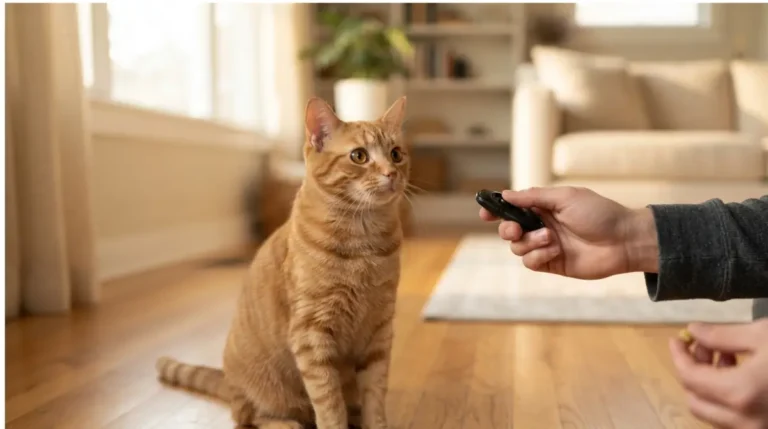
Litter boxes per cat follow the n+1 rule, but two boxes side by side can count as one. Here’s the setup that actually gives every cat a choice.
 ByShivani Dubey
Last Updated:
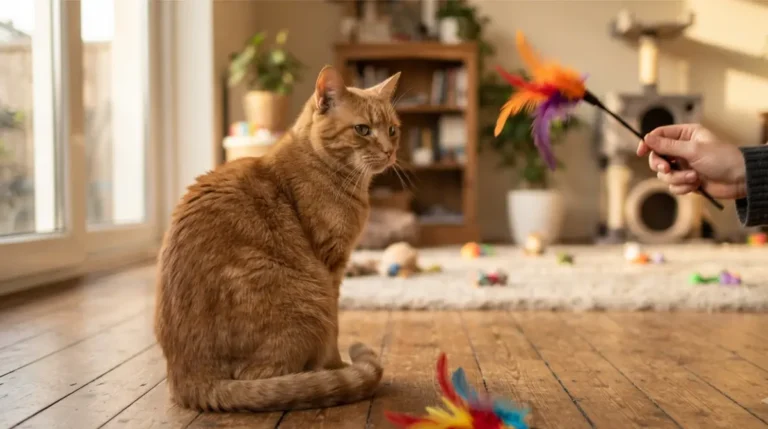
Clicker training a cat, one session a day: charge the click, teach a nose touch, then a step onto a blanket. Sessions run 30 seconds to 5 minutes.
 BySameer Patel
Last Updated:
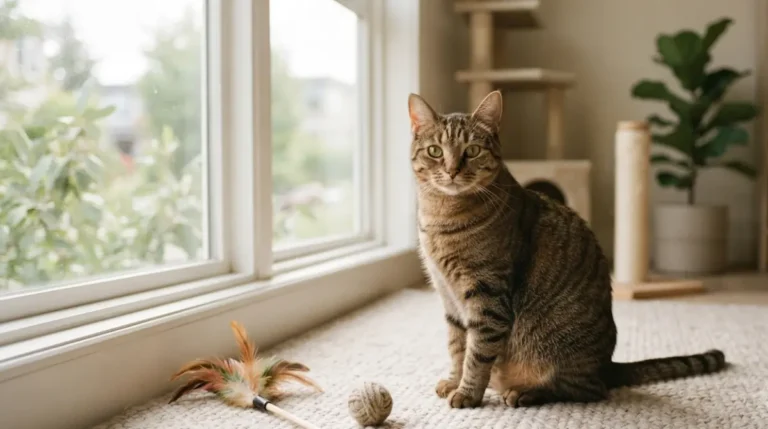
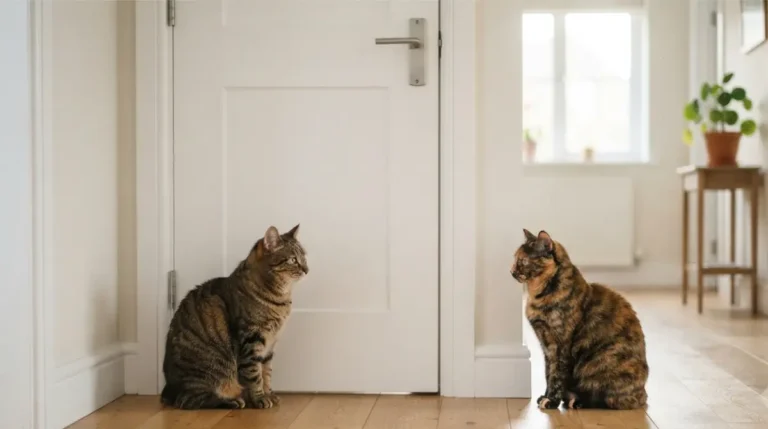
Cat won’t play with toys? A still toy gives a hunter nothing to stalk. Here’s how to make it flee, hide, and reappear, from kittens to seniors.
 ByShivani Dubey
Last Updated:
Introducing a second cat: shelters say 3 to 4 days or a week alone in its room; the AAFP says until it stops hiding. Then each stage has a sign to move on.
 ByShivani Dubey
Last Updated:
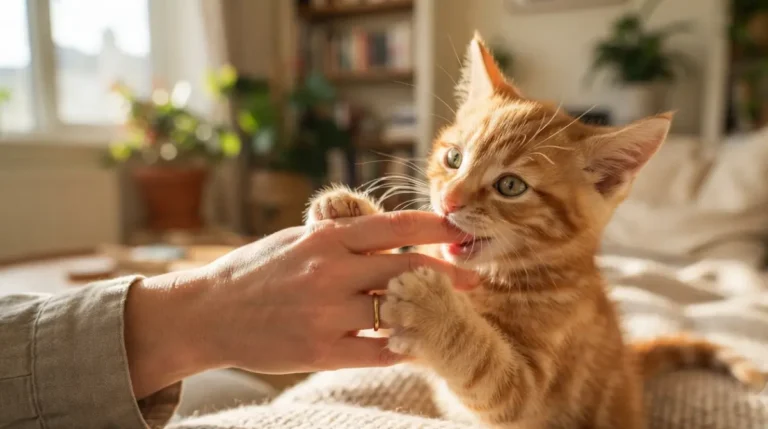
Play biting in kittens usually fades by the first birthday. Rule out teething pain or fear first, then schedule wand-toy play before the ambush hours.
 ByShivani Dubey
Last Updated:
Overgrooming bald patches on a cat feel spiky at the edge, and the spot matters: tail base suggests fleas, the lower belly can mean bladder pain.